Introduction
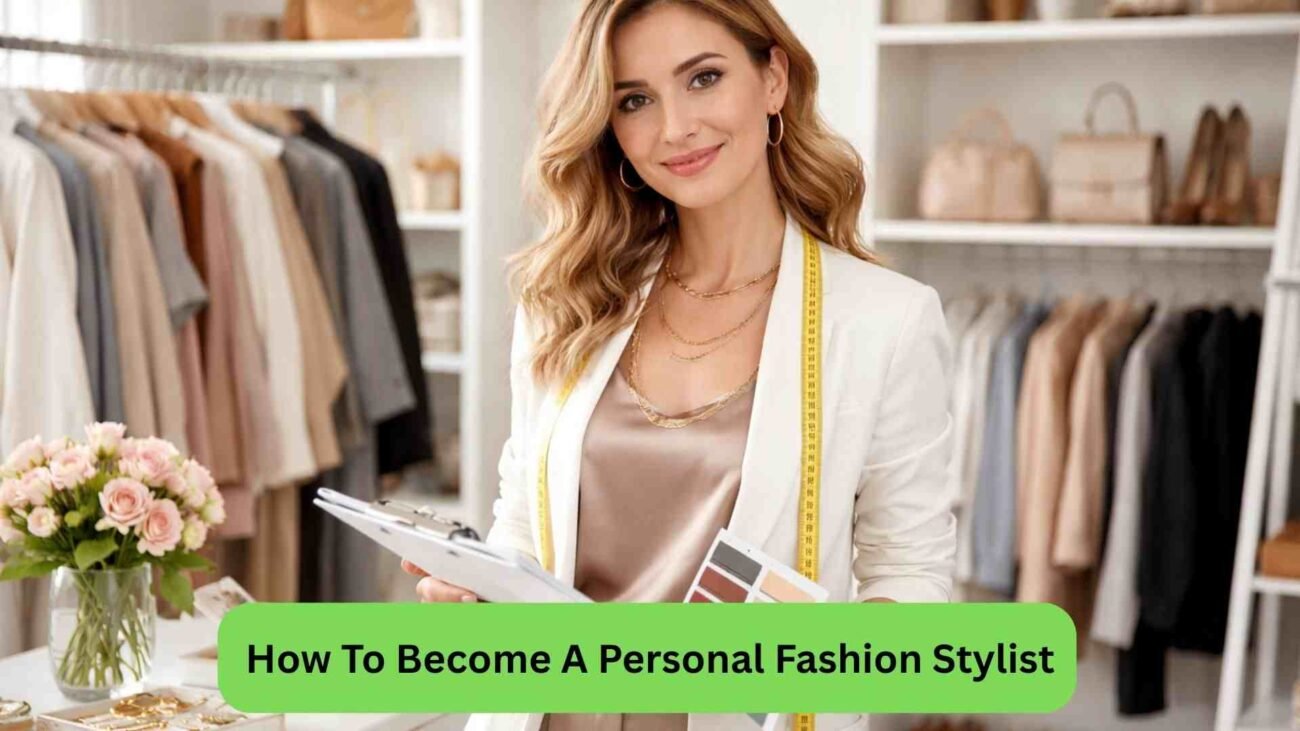
A personal fashion stylist is a professional who helps people improve their appearance through clothing, accessories, and overall style choices. They do more than just pick outfits; they create a complete image that matches a client’s personality, lifestyle, and goals. In today’s world, where social media and personal branding are highly important, styling has become a powerful career option.
The demand for fashion stylists is growing quickly. Celebrities, influencers, business professionals, brides, and even everyday individuals now hire stylists to look their best for events, work, and online presence. Fashion is no longer just about clothes it is about confidence, identity, and communication.
If you are searching for how to become a personal fashion stylist, this guide will walk you through every step in a simple and practical way. You will learn what stylists do, what skills you need, how to start your career, and how to grow in this competitive but exciting industry.
What Does a Personal Fashion Stylist Do?
A personal fashion stylist works closely with clients to improve their wardrobe and overall image. Their job is not limited to selecting clothes; it includes understanding the client’s personality, body shape, and lifestyle to build a complete style identity.
One of the main responsibilities is wardrobe planning. Stylists organize outfits for daily wear, events, and special occasions. They also help clients clean and restructure their closets, removing unnecessary items and keeping only what suits them best.
Personal shopping is another key task. Stylists often shop on behalf of clients or guide them in selecting the right pieces. They also work on image consulting, which involves helping clients build a strong personal or professional brand through fashion.
Many stylists also work in photoshoots, fashion campaigns, weddings, and media productions. They analyze body shapes, choose flattering colors, and ensure that every outfit enhances the client’s appearance.
In short, a fashion stylist combines creativity, psychology, and fashion knowledge to transform how people present themselves to the world.
Skills Required to Become a Personal Fashion Stylist
To succeed in this career, you need a mix of creative and practical skills. A strong fashion sense is the foundation. You should understand trends, colors, and how clothing styles evolve over time.
Communication skills are equally important because stylists work closely with clients. You must be able to understand their needs, explain your ideas clearly, and build trust. Without good communication, even the best styling ideas may not work.
Creativity plays a major role in this profession. A stylist must visualize complete looks and combine different elements in a stylish way. Knowledge of body shapes and color theory helps in choosing outfits that enhance a person’s natural features.Understanding fabrics, textures, and fashion brands is also important. This helps in selecting quality clothing that suits different occasions and budgets.
In today’s digital age, social media and branding skills are essential. Many stylists build their careers online by showcasing their work. Time management and organization are also necessary, especially when working with multiple clients or tight deadlines.
Educational Path: Do You Need a Degree?
You do not strictly need a degree to become a personal fashion stylist, but education can definitely help you build a strong foundation. Many professionals study fashion design, fashion merchandising, or image consulting in college or specialized institutes.
However, short courses and certifications are also very popular. Many online platforms offer styling programs that teach practical skills like wardrobe planning, color analysis, and personal shopping.
Some stylists are completely self-taught. They learn by observing fashion trends, practicing with real people, and building experience over time. This path can also be successful if you are dedicated and consistent.
Fashion institutes such as FIT (Fashion Institute of Technology), Central Saint Martins, and online platforms like Coursera or Udemy offer helpful courses for beginners.Ultimately, your success depends more on your skills, portfolio, and experience than just your formal education.
Step by Step Guide: How to Become a Personal Fashion Stylist?
The journey of how to become a personal fashion stylist starts with building strong fashion knowledge. You should regularly follow fashion magazines, designers, and runway trends to understand what is current and timeless.
Next, learn essential styling techniques such as dressing for body shapes, color coordination, and seasonal styling. These basics help you create balanced and attractive outfits.Practice is extremely important. Start styling friends, family, or volunteers. This helps you gain confidence and understand real-life challenges.
After practice, build a strong portfolio. Include before-and-after transformations, outfit combinations, and styling projects. Your portfolio will be your most powerful tool to attract clients.Gaining experience through internships or collaborations with photographers, influencers, or boutiques will help you enter the industry faster.
Building your personal brand is the next step. Create an Instagram page, Pinterest boards, or even a fashion blog to showcase your work.Finally, start getting clients through freelance work, networking, and collaborations. This is where your career truly begins.
Types of Personal Fashion Stylists
There are many paths within styling. A celebrity fashion stylist works with actors, musicians, and public figures to create red carpet looks. A wardrobe stylist focuses on organizing and upgrading everyday clothing for clients.Editorial stylists work with magazines, photoshoots, and fashion campaigns. Personal shoppers help clients buy the right clothes based on their needs and budgets.
Corporate stylists help professionals improve their workplace appearance, while bridal stylists specialize in weddings and special events.Each type offers different opportunities depending on your interest and career goals.
Tools and Resources Every Fashion Stylist Needs
Fashion stylists use both physical and digital tools. Mood boards created on platforms like Pinterest or Canva help organize outfit ideas. Style apps and wardrobe planners help manage client clothing collections.
Measuring tools and color analysis kits are used for precision styling. Fashion magazines and trend reports keep stylists updated with global trends.Networking platforms like Instagram and LinkedIn help connect with clients, photographers, and brands. These tools make a stylist’s work more professional and efficient.
How Much Do Personal Fashion Stylists Earn?
Income in this field varies widely. Beginners may earn a modest income while building experience. Freelance stylists charge per session or project, while full-time stylists may have a fixed salary depending on their employer.High-end celebrity stylists can earn significantly more, especially when working with famous clients or luxury brands.
Income depends on location, experience, reputation, and client base. Stylists in major fashion cities usually earn more due to higher demand.With time and strong branding, this career can become highly rewarding financially.
How to Build a Strong Fashion Stylist Portfolio?
A portfolio is your visual resume. It should include high-quality before-and-after transformations that show your styling impact. Styled photoshoots also help demonstrate your creativity and professionalism.
Client testimonials add trust and credibility. Collaborations with photographers, makeup artists, or fashion brands make your portfolio stronger.You can also create an online portfolio website to showcase your work professionally. This makes it easier for clients and brands to find and contact you.
How to Get Clients as a Personal Fashion Stylist?
Getting clients requires visibility and networking. Social media platforms like Instagram, TikTok, and Pinterest are powerful tools for attracting attention.Working with photographers, influencers, and boutiques helps you build connections in the industry. Word-of-mouth referrals are also very important in this field.Offering free or discounted sessions at the beginning can help you build experience and trust. Over time, satisfied clients will bring more opportunities.
Challenges in Becoming a Personal Fashion Stylist
This career is exciting but also competitive. Many new stylists struggle to stand out in the crowded fashion industry.Building trust with clients takes time. You also need to stay updated with fast-changing fashion trends. Income can be unstable in the early stages, which requires patience and consistency.Managing different client expectations can also be challenging, especially when working with diverse personalities and budgets.
Tips to Succeed as a Fashion Stylist
To succeed, you should develop a signature styling style that makes your work recognizable. Staying updated with global fashion trends is also important.A strong online presence helps you grow faster in today’s digital world. Consistent content creation builds trust and attracts clients.Never stop learning. Fashion evolves constantly, so improving your technical knowledge will keep you ahead in the industry.
Career Growth Opportunities
As you grow, you can become a celebrity stylist or start your own styling agency. Many stylists collaborate with fashion brands or become influencers.Some also move into teaching or coaching new stylists. Others expand into fashion consulting or creative direction roles.The opportunities are wide if you build strong skills and a good reputation.
FAQ’s
1. How much do personal fashion stylists make?
Personal fashion stylists usually earn from $20,000 to $100,000+ per year depending on experience, location, and clients. Top celebrity stylists can earn much more.
2. What is the 3-3-3 rule for fashion?
The 3-3-3 rule means you choose:
- 3 tops
- 3 bottoms
- 3 pairs of shoes to create many different outfit combinations easily.
3. How much does a personal stylist earn?
A personal stylist can earn around $30 to $150 per hour. Full-time stylists may earn a monthly income based on clients and projects.
4. Can anyone be a personal stylist?
Yes, anyone can become a personal stylist if they have fashion sense, creativity, and practice skills. No strict degree is required.
5. How much are personal stylists paid?
Personal stylists are paid:
- Beginners: low to moderate income
- Experienced: good steady income
- Celebrity stylists: very high income
Payment depends on experience and client type.
6. What are the 3 C’s of personal style?
The 3 C’s are:
- Confidence – feeling good in your clothes
- Comfort – wearing what suits your body and lifestyle
- Consistency – having a clear personal style
7. What are the 7 types of fashion styles?
Common fashion styles are:
- Casual
- Classic
- Elegant
- Streetwear
- Bohemian
- Sporty
- Formal
8. What is the 3-3-3 rule for packing?
The 3-3-3 packing rule means:
- 3 tops
- 3 bottoms
- 3 pairs of shoes
You can mix and match them to create many outfits while traveling.
9. How do I identify my personal style?
You can find your personal style by:
- Looking at clothes you already wear often
- Checking what colors suit you
- Following fashion inspiration online
- Trying different outfits and seeing what feels comfortable and confident.
Conclusion
Becoming a fashion stylist is a creative and rewarding career for people who love fashion and enjoy working with people. It requires passion, practice, and consistency rather than just formal education. By learning skills, building a portfolio, and gaining experience, you can grow step by step in this industry. If you are serious about how to become a personal fashion stylist, start small, stay consistent, and keep improving your craft. Success comes with time, creativity, and dedication.
Looking for more Article? Check out my website for the latest content.
