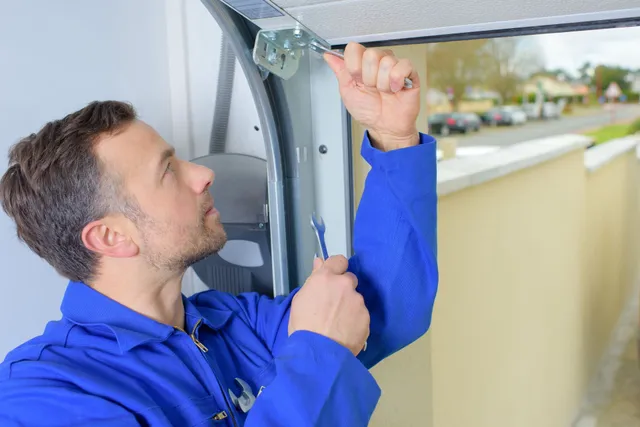
A garage door moves many times each week, yet it is often ignored until something breaks. Because it is heavy, mechanical, and connected to springs, cables, rollers, tracks, sensors, and an opener, small issues can quickly escalate into expensive repairs. Regular garage door service helps prevent that by finding worn parts, loose hardware, weak springs, and alignment problems before they cause damage. It also keeps the door safer, quieter, and easier to operate. Instead of waiting for a sudden failure, routine care gives homeowners more control over repair costs and helps extend the door’s working life.
Why Service Matters
- Small Wear Can Turn Into Major Damage
Garage doors rarely fail without warning. Most costly repairs begin with small signs, such as shaking movement, grinding sounds, delayed opening, uneven closing, or a door that feels heavier than usual. These signs may seem minor, but they often point to hidden strain inside the system. A loose roller can pull the door out of balance, a bent track can force the opener to work harder, and dry hinges can create extra friction across the panels. Regular service catches these problems before one part damages another. A reliable Garage door supplier can also help homeowners choose suitable replacement parts when worn pieces no longer support safe movement. This matters because garage door parts work together as a system. When one part struggles, the entire door feels the pressure, which can lead to broken cables, damaged panels, or opener failure.
- Springs and Cables Need Careful Attention
Springs and cables carry much of the door’s weight, which makes them two of the most important parts to check during regular service. When springs weaken, the opener may begin lifting more weight than it should. This can shorten the opener’s life and create rough, uneven movement. Cables can also fray over time, especially when they rub against worn pulleys, misaligned tracks, or damaged drums. If a cable snaps, the door may become unsafe and difficult to control. Regular service allows these parts to be inspected before they reach a breaking point. A technician can check tension, balance, and movement so the door does not place extra stress on connected parts. This kind of attention helps prevent sudden breakdowns, reduces safety risks, and avoids repairs that become more expensive because several parts fail together.
- Lubrication Reduces Strain and Noise
A garage door has many moving parts, and each one needs smooth motion to work properly. Hinges, rollers, bearings, springs, and tracks can all create friction when they are dry, dirty, or worn. Over time, friction makes the door louder and harder to move. It can also cause the opener to pull harder, which may wear out gears, belts, chains, and motor components sooner than expected. Regular service includes cleaning and lubricating key components to reduce resistance and ensure the door moves smoothly. This simple step can prevent squeaking, jerking, and shaking that often lead to larger repairs. Proper lubrication also helps protect metal parts from rust and stiffness, especially in areas with changing weather. When the door moves smoothly, the whole system works with less pressure, which supports longer performance and lower repair costs.
- Track Alignment Protects the Whole System
Garage door tracks guide the rollers as the door opens and closes, so proper alignment is essential for safe, efficient operation. Even a small bend, gap, or loose bracket can cause the door to drag, shake, or sit unevenly. If the problem is ignored, rollers may wear out faster, panels may become strained, and the opener may struggle to move the door through the damaged path. Regular service helps identify these alignment issues early. Adjusting brackets, tightening hardware, and checking track spacing can prevent the door from pulling against itself. This is especially important after storms, accidental bumps, or repeated daily use. A properly aligned door does not fight the system as it moves. Instead, it glides along its intended path, protecting rollers, hinges, opener parts, and panels from unnecessary damage that could cost much more to repair later.
- Safety Features Must Stay Reliable
Modern garage doors include safety features designed to protect people, pets, vehicles, and stored belongings. Photo-eye sensors, auto-reverse settings, force limits, and secure hardware all need regular checks to stay dependable. Dust, misalignment, loose wires, or worn opener settings can prevent safety features from working correctly. A door that fails to reverse when it should can become a serious hazard. Regular service tests these features and corrects minor issues before they pose a danger or cause damage. For example, a sensor that is slightly misaligned may cause the door to stop suddenly or refuse to close, which can put extra strain on the opener and leave the garage unsecured. Keeping safety systems working properly helps prevent accidents, reduces motor wear, and avoid emergency service calls caused by preventable malfunctions.
Regular garage door service prevents costly repairs by keeping every part of the system working smoothly together. Springs, cables, rollers, tracks, hinges, sensors, and the opener all depend on proper balance, alignment, and movement. When small problems are ignored, they can spread throughout the system and lead to expensive repairs. Routine service catches wear early, reduces strain, improves safety, and helps the door operate more quietly and reliably. It also gives homeowners a chance to plan repairs before sudden failure occurs. With consistent care, a garage door can last longer, perform better, and protect the home without unexpected repair bills.
