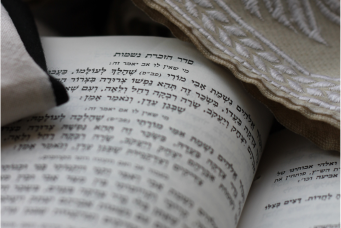
Mishnayos learning gives family and friends a meaningful way to remember someone whose presence is deeply missed. After a loved one passes away, words alone may feel limited, but Torah learning creates a lasting spiritual response. It turns grief into action, memory into merit, and sadness into quiet devotion. Each Mishnah learned becomes a respectful tribute connected to the soul of the departed. Through this practice, relatives and friends are not only recalling a life that mattered, but also adding holiness to that memory with focus, care, and sincere intention during a tender time.
Meaning Through Torah
A Tribute Beyond Words
When people lose someone close, they often search for a way to express love that still feels alive and active. Mishnayos learning offers that path because it is not only about speaking of the person, but doing something meaningful in their merit. Memories may be shared through stories, photographs, and conversations, yet Torah learning adds a deeper layer because it connects remembrance with spiritual growth. The loved one’s name is held in mind while sacred words are studied, creating a link between the learner, the Torah, and the departed soul. Many families find that learning mishnayos for yahrzeit gives them a structured way to honor the day with dignity instead of letting it pass only with sadness. This type of learning changes remembrance from a private feeling into a purposeful act. It allows grief to become devotion, and devotion to become merit.
Connecting the Soul With Merit
Mishnayos learning is often chosen because of its strong connection to the elevation of the soul. The word Mishnah contains the same Hebrew letters as neshamah, meaning soul, which gives the practice a powerful symbolic meaning. Families may feel comfort knowing that the learning is being done not for display, but as a sincere act dedicated to someone they loved. Each completed portion becomes part of a larger spiritual offering. Even when the learner is not highly advanced, the effort itself carries value because it reflects loyalty, respect, and care. A person may sit quietly with one Mishnah, read it slowly, understand a short explanation, and still feel connected to the memory of the departed. This makes the practice accessible to many people. It honors the soul by adding Torah to the world in that person’s merit.
Turning Memory Into Action
One of the most meaningful parts of Mishnayos learning is that it gives mourners something constructive to do with their feelings. Grief can feel heavy when it has no direction, especially around a yahrzeit or during periods of mourning. Learning creates a calm rhythm. A person opens the text, focuses the mind, and dedicates that moment to the loved one. This action does not erase sadness, but it gives sadness a holy form. Instead of only feeling the absence, the learner creates a moment of presence through Torah. The loved one is remembered not merely as someone who is gone, but as someone whose memory continues to inspire growth. This is why Mishnayos learning can feel so personal. It allows each participant to contribute according to their ability while keeping the memory of the departed connected to something enduring.
Uniting Family and Friends
Mishnayos learning can also bring people together at a time when connection is deeply needed. Family members may live in different places, friends may have known the departed from different stages of life, and each person may carry a unique memory. When everyone joins in learning, those separate memories become part of one shared tribute. One person may learn a full masechta, another may learn one chapter, and another may listen to a short explanation. Each contribution becomes part of the same act of honor. This shared effort can strengthen family bonds because it gives people a gentle reason to communicate, encourage one another, and remember the loved one with warmth. It also allows people who may not know what to say to take part in a meaningful way. Through learning, the group creates unity around Torah and remembrance.
Preserving a Lasting Legacy
Honoring a loved one through Mishnayos learning is also a way of preserving legacy. A person’s legacy is not only found in possessions, records, or family stories; it is also found in the values they leave behind and the good actions inspired by their memory. When Torah is learned because of them, their life continues to influence others in a quiet but meaningful way. Children and grandchildren may learn that remembrance is not only emotional, but also spiritual and active. Friends may be reminded of the person’s kindness, faith, patience, or strength while dedicating their learning. Even years later, the practice can keep the memory fresh without making it feel painful in the same way. It becomes a yearly act of connection, allowing the loved one’s name to remain associated with Torah, merit, and continued goodness.
Conclusion
Mishnayos learning honors a loved one by joining memory with sacred action. It gives grief a meaningful direction and allows family and friends to create merit in the name of the departed. Through each Mishnah, the person’s memory is treated with respect, care, and spiritual purpose. The practice can comfort mourners, unite relatives, and preserve a legacy that continues beyond the limits of ordinary remembrance. Whether learned by one person or shared among many, Mishnayos becomes a living tribute. It keeps the loved one connected to Torah, kindness, and the ongoing strength of those who remember them.
