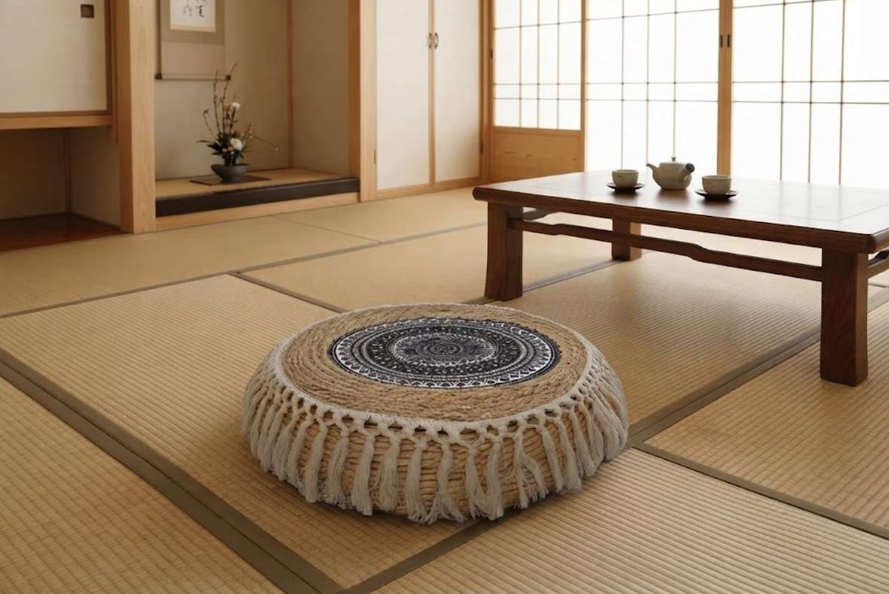
Meditation is a simple practice, but sitting comfortably for an extended period can sometimes be challenging. An uncomfortable sitting position may cause pressure on the hips, knees, ankles, or lower back, making it difficult to stay focused. This is where a well-designed meditation cushion can make a meaningful difference. It provides support, encourages better posture, and helps create a more relaxing meditation experience.
Choosing the right cushion involves more than simply selecting a soft surface. A Comfortable Meditation Cushion can offer the right combination of shape, height, firmness, and material to suit different sitting positions and body types. Whether you are beginning your meditation journey or have been practicing for years, understanding the available cushion options can help you create a supportive and comfortable routine.
What Is a Meditation Cushion?
A meditation cushion is a specially designed seat that supports the body during meditation and other mindful activities. Unlike an ordinary pillow, it is usually structured to provide stable support while keeping the spine naturally aligned. Many cushions are filled with materials such as buckwheat hulls, cotton, foam, or recycled fibers.
A Comfortable Meditation Cushion can gently raise the hips above the knees, helping reduce pressure on the lower body and making cross-legged sitting easier. Some cushions offer firm support, while others provide a softer feel. The best option depends on your preferred sitting position, flexibility, height, and individual comfort needs.
Types of a Meditation Cushion
1. Zafu
A Zafu is a round meditation cushion that raises the hips and supports a comfortable sitting position. It can help maintain proper posture during meditation and is commonly used for cross-legged sitting.
2. Zabuton
A Zabuton is a flat rectangular meditation mat placed under a cushion. It provides extra support for the knees, ankles, and feet, making floor meditation more comfortable, especially during longer sessions.
3. Crescent
A crescent meditation cushion has a curved shape that supports the hips and legs. Its design provides extra space for the thighs and can help create a comfortable and stable cross-legged sitting position.
4. Meditation Bolster
A meditation bolster is a long cushion that provides versatile support during meditation. It can be placed under the knees, back, or legs to improve comfort and relaxation during different seated positions.
5. V-Shaped
A V-shaped meditation cushion supports the hips and legs while providing additional space for comfortable sitting. Its unique shape can help improve stability and encourage a naturally balanced meditation posture.
Benefits of a Comfortable Cushion
A Comfortable Meditation Cushion can make your practice more enjoyable by providing the support your body needs while sitting for extended periods. Proper Meditation Seating can reduce pressure on the hips, knees, and ankles while helping you maintain a stable and upright posture.
Some important benefits include:
- Improved posture: Raising the hips can encourage a more natural upright sitting position.
- Reduced pressure: Proper cushioning can decrease discomfort around the knees, ankles, hips, and sitting bones.
- Better stability: A firm, supportive base helps prevent constant shifting during meditation.
- Longer sessions: Greater comfort may make it easier to remain seated for longer periods.
- Greater consistency: When meditation feels physically comfortable, maintaining a regular routine can become easier.
Comfort is highly personal, so the best cushion is not necessarily the softest one. In many cases, a moderately firm cushion provides better stability and support than a very plush seat.
How to Choose the Right Cushion?
Consider Your Sitting Position
Think about how you normally meditate. If you sit cross-legged, a raised cushion may provide useful support by lifting your hips. If you prefer kneeling, a cushion designed specifically for kneeling may be more suitable. Your usual posture should be one of the first factors you consider.
Choose the Right Height
Cushion height can significantly affect comfort. A taller cushion may work well for people with tighter hips or limited flexibility because it can make cross-legged sitting easier. A lower cushion may be appropriate for people who naturally sit comfortably closer to the floor.
Look at the Filling
The filling determines how the cushion feels and how well it holds its shape. Buckwheat hulls are firm and adjustable, while cotton tends to offer a softer, more traditional feel. Foam can provide consistent support and may be useful for people who prefer a structured seat.
Check the Cover Material
The outer cover should feel comfortable against your skin and be easy to clean. Cotton and other breathable fabrics are popular because they can provide a pleasant surface for longer sessions. A removable, washable cover is especially practical for regular use.
Think About Portability
If you meditate in different locations, consider the cushion’s weight and size. A compact design can be easier to transport, while a larger cushion may provide more support at home. Choose based on where and how frequently you expect to use it.
How to Maintain Your Cushion?
Regular care can help your meditation cushion stay clean, comfortable, and supportive for a longer time. Always follow the manufacturer’s cleaning instructions, particularly when the cushion contains natural materials. If the cover can be removed, wash it according to the care instructions provided.
Store your cushion in a dry and well-ventilated area when it is not in use. Keeping it away from damp places can help prevent moisture buildup and unpleasant odors. It is also useful to check the cushion regularly for flattened sections or uneven filling. Gently adjusting the filling can help restore its shape and maintain consistent support.
Over time, some cushions may become compressed after frequent use. If this happens, check whether the filling can be adjusted, added, or replaced. Taking proper care of your Comfortable Meditation Cushion can extend its useful life while helping it retain the support and comfort you need during meditation.
Who Can Use a Meditation Cushion?
A meditation cushion can be useful for almost anyone who prefers seated meditation. Beginners may find it particularly helpful because learning to sit comfortably can remove one common obstacle to developing a meditation routine. Experienced practitioners can also benefit from additional support during longer sessions.
Meditation cushions are not limited to meditation itself. They can be used for breathing exercises, mindfulness practices, relaxation, reading, or other floor-based activities. Children and adults can use them, although younger users should have a cushion that is appropriately sized for their body.
People with persistent pain or significant mobility concerns should choose supportive seating carefully and consider professional guidance when necessary. A cushion should improve comfort rather than force the body into an unnatural position.
Why Trust InnerBillion for Buying?
InnerBillion focuses on creating products that support comfort, relaxation, and everyday wellness. Its meditation cushions are designed to provide a supportive sitting surface, helping users maintain a comfortable posture during meditation, mindfulness, and other peaceful activities.
It offers meditation cushions in practical designs that can suit different sitting preferences and comfort needs. By considering factors such as cushion shape, support, materials, and overall design, shoppers can choose an InnerBillion cushion that fits naturally into their meditation routine.
Final Thoughts
A Comfortable Meditation Cushion can transform the way you approach your daily practice. By providing a stable foundation and supporting a natural sitting position, it allows you to focus more fully on meditation instead of constantly thinking about physical discomfort.
The ideal cushion depends on several factors, including your preferred posture, flexibility, body proportions, desired firmness, and where you plan to meditate. There is no single cushion that works perfectly for everyone. Taking time to understand different shapes, heights, and fillings can help you make a more informed choice.
