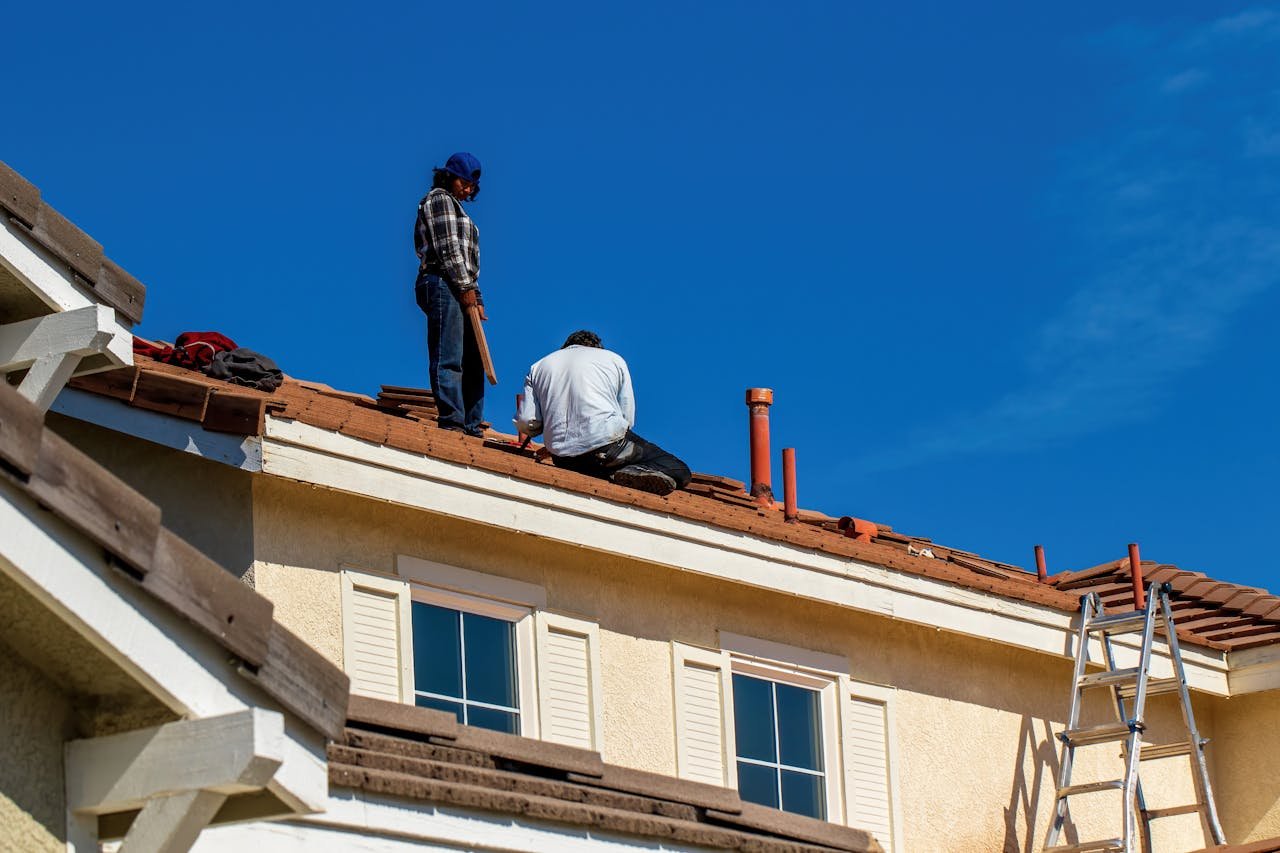
Understanding your roof’s lifespan isn’t just about curiosity, it’s essential for smart financial planning and protecting your home. After all, your roof represents one of the biggest investments you’ll make in your property, and nobody wants to be blindsided by an unexpected replacement bill. The durability of roofing materials varies wildly depending on what you choose, how well it’s installed, where you live, and how diligently you maintain it. Some materials can protect your home for half a century or more, while others might need replacing in less than two decades.
Asphalt Shingle Roofs: The Most Common Choice
Asphalt shingles dominate the residential roofing market across North America, and there’s a good reason why, they’re affordable, relatively easy to install, and get the job done. If you’ve got standard three-tab asphalt shingles, you’re looking at roughly fifteen to twenty years of protection under typical conditions. Want something more robust? Architectural shingles (sometimes called dimensional shingles) are thicker, more attractive, and can stretch that lifespan to twenty-five or even thirty years when you treat them right. Quality matters tremendously here, premium brands incorporate better wind resistance, algae-fighting technology, and enhanced UV protection that cheaper alternatives simply can’t match.
Metal Roofing: Durability and Longevity Combined
Metal roofing has experienced a surge in popularity, and once you understand the numbers, it’s easy to see why. These roofs typically last anywhere from forty to seventy years, depending on which metal you choose, and some high-end installations can even push past the century mark with appropriate care. Standing seam metal roofs crafted from steel, aluminum, copper, or zinc deliver outstanding weather resistance while demanding surprisingly little maintenance over the decades. Copper roofs sit at the top of the longevity pyramid, they routinely exceed fifty years and develop that distinctive greenish patina that many homeowners actually prize.
Clay and Concrete Tiles: Century-Long Performance
Tile roofing has been protecting homes for centuries, and there’s something reassuring about that track record. Clay tiles can actually last over a hundred years when they’re installed correctly and given proper attention throughout their lifetime. Concrete tiles aren’t far behind, typically delivering fifty to seventy-five years of reliable service, making them a genuine “install it and forget it” option for homeowners thinking long-term. These materials absolutely thrive in hot, arid climates and coastal environments where salt air, blazing sunshine, and temperature extremes would punish lesser materials.
Wood Shakes and Shingles: Natural Beauty with Maintenance Requirements
Cedar and other wood roofing options bring an undeniable charm and organic warmth that synthetic materials just can’t replicate. With proper care and regular treatments, you can expect twenty-five to forty years from a quality wood roof. Wood shakes are split by hand for that rugged, textured appearance, while shingles are machine-cut to provide cleaner, more uniform lines. Either way, you’ll need to stay on top of maintenance, that means periodic applications of preservatives and fire retardants to keep the wood healthy and compliant with local building codes.
Factors That Affect Roof Lifespan Regardless of Material
Even the world’s best roofing material won’t reach its potential if other factors work against it. Professional installation tops the list of critical considerations, cutting corners here basically guarantees you won’t get the longevity you paid for, no matter how premium your materials might be. When you’re evaluating your roof’s condition or planning a replacement project, Ace Roofing contractors provide expertise in evaluating material performance across different climate conditions. Your local weather patterns dramatically impact how long your roof lasts, with brutal temperature swings, heavy rain or snow, powerful winds, and intense sunlight all working to age your roof faster. Regular maintenance might sound boring, but it’s genuinely powerful, annual inspections, quick repairs, and keeping debris cleared away can add years to any roof by stopping minor issues before they snowball. Your attic needs attention too, since proper ventilation and insulation team up to control temperature and moisture, preventing ice dams when it’s cold and excessive heat when it’s hot. Roof pitch matters more than most people realize, steeper slopes shed water more efficiently, which generally translates to longer lifespans. Environmental factors like overhanging trees, local air quality, and how close you are to the ocean can either shelter or assault your roofing materials over the years. Don’t forget about what’s underneath either, your roof decking and underlayment form the foundation that everything else depends on, so they need to stay structurally sound for surface materials to do their job.
Conclusion
Knowing what to realistically expect from different roofing materials puts you in the driver’s seat when making decisions about installations and replacement timing. While your choice of material certainly matters, it’s really the combination of professional installation, consistent maintenance, and compatibility with your local climate that determines how your roof actually performs. By selecting appropriate materials for your specific situation and staying committed to proper upkeep, you can push your roof to its maximum potential and safeguard your home investment for many years to come. Whether you go with budget-friendly asphalt shingles or splurge on premium metal or tile roofing, having realistic expectations helps you plan your maintenance budget and dodge those nasty surprise replacement costs.
