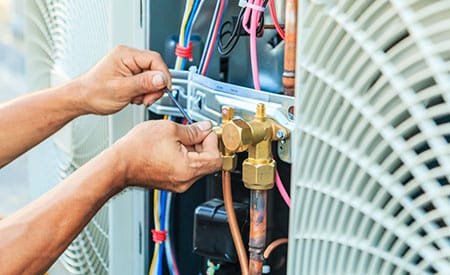
HVAC systems are vital for maintaining comfort, air quality, and energy efficiency in homes and businesses, but they are subject to wear over time. Recognizing whether a system requires repair or a full replacement can save money, prevent sudden breakdowns, and maintain optimal performance. Several indicators, including system age, frequency of repairs, efficiency, unusual noises, and temperature inconsistencies, help homeowners assess the condition of their equipment. Understanding these factors allows for informed decisions, ensuring the home remains comfortable and utility costs remain manageable. Evaluating the HVAC system’s overall health is essential for long-term reliability and comfort.
Key Considerations
- Age and Performance Indicators
The age of an HVAC system provides a starting point for determining whether repair or replacement is appropriate. Most systems have an expected lifespan of 10 to 20 years depending on usage, maintenance, and quality. As a unit approaches or exceeds this range, even minor issues can become more frequent and costly, reducing efficiency and comfort. Indicators such as uneven heating or cooling, rising energy bills, and increased noise suggest the system is under strain. Frequent repairs may indicate that the system is reaching the limits of its functionality. Seeking professional HVAC repair and installation from Tuck & Howell can help homeowners assess whether ongoing maintenance remains practical or whether a replacement is more cost-effective in the long term. Proper evaluation balances repair costs against potential benefits of installing a newer, more efficient system.
- Efficiency and Energy Usage
Efficiency loss often signals the need for significant attention. Systems that require longer cycles to reach desired temperatures or produce uneven airflow may be losing efficiency due to worn components, refrigerant leaks, or failing motors. Increased utility bills, despite similar usage patterns, suggest the system is expending more energy to maintain comfort. A thorough inspection can identify specific problems, but repeated inefficiencies across multiple components often indicate the system is nearing the end of its functional life. Replacement may offer improved efficiency, lower energy consumption, and enhanced comfort through updated technology. Considering efficiency alongside repair history ensures homeowners make decisions that provide long-term financial and environmental benefits while maintaining indoor climate control.
- Visible Wear and Component Failures
Physical signs of deterioration can help determine if a repair is sufficient or a full replacement is necessary. Rusted coils, corroded pipes, damaged wiring, or failing compressors can compromise the system’s operation and create safety risks. Minor issues such as clogged filters or worn belts may be addressed through repair, but repeated breakdowns or extensive component damage often suggest that replacement is more prudent. Additionally, refrigerant leaks, frozen coils, and frequent breaker trips indicate the system is under severe strain. By examining both visible and functional deterioration, homeowners gain a clearer understanding of the system’s condition and can weigh the practicality and cost-effectiveness of repair versus replacement.
- Consistency and Comfort Levels
A system that fails to maintain consistent temperatures throughout the home is a common sign of underlying problems. Uneven cooling or heating, persistent hot or cold spots, and delayed response to thermostat settings can indicate issues with airflow, ductwork, or mechanical components. Repairs may resolve localized issues, but if multiple factors are contributing to discomfort, replacement might be the more effective solution. Aging systems often struggle to perform under varying seasonal loads, and recurring temperature imbalances reduce overall comfort. Assessing whether repairs restore uniform comfort or whether replacement would achieve more reliable and predictable performance is crucial for maintaining a satisfactory living environment over time.
- Frequency and Cost of Repairs
Frequent service calls are another factor in deciding between repair and replacement. Systems that require multiple repairs within a single season may indicate that costs are exceeding. Reequipment’s value: one component may temporarily restore function, but repeated failures suggest that underlying issues affect multiple parts. Tracking repair costs over time provides insight into whether continued maintenance is financially viable. If repairs become routine and costs accumulate, a new system can offer reliability, warranties, and potential energy savings. Evaluating cumulative expenses alongside system age, performance, and comfort needs helps homeowners make decisions that prioritize long-term stability rather than short-term fixes.
- Professional Assessment and Recommendations
Engaging a professional to assess the HVAC system provides a clear understanding of its condition. A technician can evaluate age, performance, visible wear, efficiency, and past maintenance history to provide an informed recommendation. Repairs may suffice for systems with minor issues or good overall performance, whereas replacement is typically advised when multiple components are failing, efficiency is reduced, or the system is near the end of its expected lifespan. Homeowners benefit from detailed inspections, cost estimates, and potential energy savings calculations to guide their decision. Professional assessment ensures that choices are grounded in objective evaluation rather than guesswork or reaction to temporary discomfort.
Determining whether an HVAC system requires repair or full replacement depends on a combination of age, efficiency, wear, comfort consistency, and repair history. Evaluating these factors helps homeowners maintain reliable performance, manage costs, and ensure a comfortable indoor environment. Timely assessment allows for proactive decisions that prevent sudden failures and minimize long-term expenses. Consulting professionals provides accurate guidance, allowing repairs to extend system life when practical and replacement to offer a durable, efficient solution when necessary. Proper evaluation preserves comfort, reduces energy consumption, and secures the integrity of the home’s climate control system for years to come.
