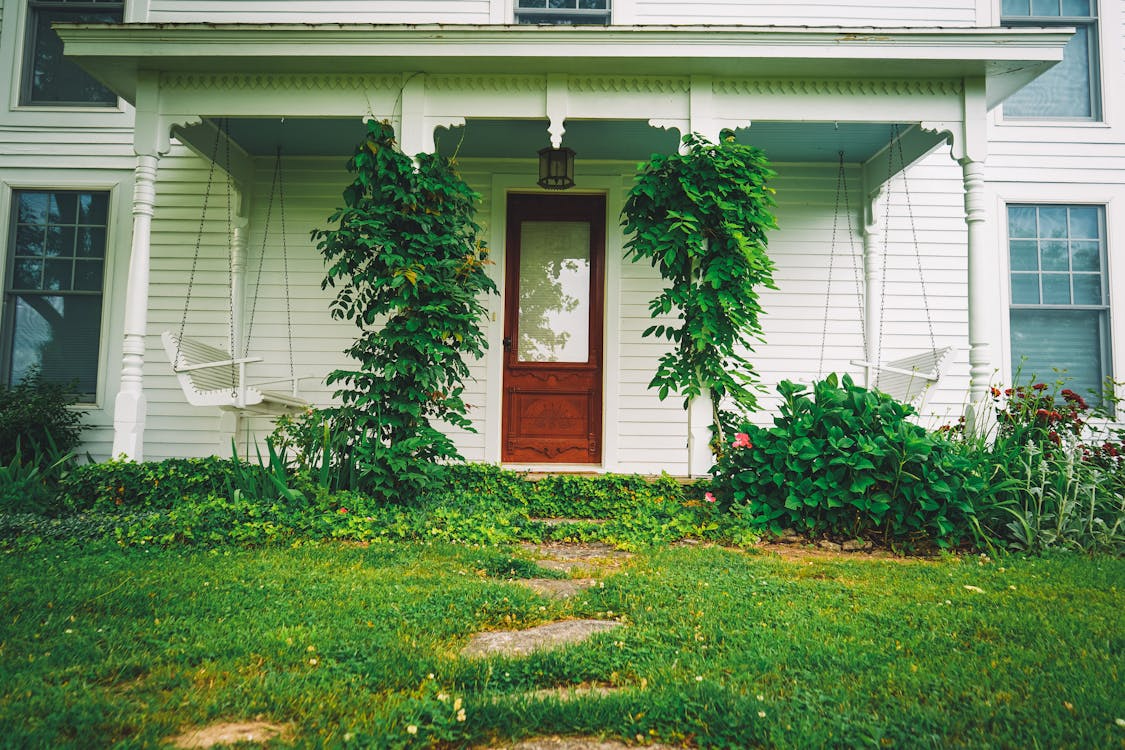
Have you noticed how lawns across places like Ocoee, FL, seem to struggle more after every intense summer storm or dry spell? Weather patterns have become less predictable, water costs continue climbing, and homeowners are learning that a green lawn takes more than weekend mowing. Long-term landscape health now depends on smarter lawn care choices that protect soil, reduce waste, and help yards survive changing conditions without turning maintenance into a second full-time job.
Healthy Soil Creates a Stronger Lawn
Many homeowners still treat grass like carpet that simply needs water and trimming, yet the real work happens underground. Healthy soil holds nutrients, supports root growth, and improves drainage during Florida’s sudden downpours. Compacted soil, on the other hand, leaves grass stressed and weak, even when it looks green from a distance.
Adding compost and aerating once or twice a year can improve soil structure without expensive products. This matters more today because many regions are seeing heavier rainfall followed by long dry stretches. Lawns built on healthy soil recover faster from heat stress and resist weeds naturally, which means fewer chemicals wash into storm drains after every thunderstorm.
Smarter Irrigation Prevents Bigger Problems
People often ignore sprinkler systems until a brown patch appears or water starts flooding the sidewalk like a miniature theme park attraction. In many Florida neighborhoods, wasted irrigation water has become a growing concern as utility costs rise and drought restrictions tighten during hotter months.
Regular inspections help homeowners catch leaks before they become expensive repairs. Many residents looking for irrigation repair in Ocoee are discovering that broken sprinkler heads and uneven spray patterns quietly waste thousands of gallons each season. Smart irrigation controllers now adjust watering schedules based on rainfall and temperature, which prevents oversaturation while helping roots grow deeper. A lawn watered correctly develops stronger resilience during heat waves and requires less maintenance over time.
Mowing Habits Shape Lawn Health
Short grass may look tidy for a day or two, but cutting too low weakens root systems and encourages weeds to spread. It is similar to overworking yourself during a busy week and expecting peak performance afterward. Grass under stress cannot defend itself well against insects, disease, or extreme weather.
Most lawn experts recommend keeping grass slightly taller during hotter months because longer blades shade the soil and retain moisture.
Native Plants Reduce Long-Term Maintenance
The popularity of native landscaping has grown as homeowners look for ways to lower water use without sacrificing curb appeal. Across Florida and many other states, traditional lawns filled with thirsty grass varieties are becoming harder and more expensive to maintain year-round.
Native plants adapt better to local soil and climate conditions, which reduces fertilizer and irrigation needs. They also attract pollinators like bees and butterflies that support broader ecosystem health. Ironically, some of the healthiest modern landscapes look slightly less perfect than the heavily manicured lawns people once admired in magazine ads. Nature tends to perform better when it is allowed to behave like nature.
Lawn Aeration Helps Roots Thrive
Heavy foot traffic and compacted soil create hidden problems beneath the surface long before visible damage appears. Children playing outside, parked vehicles, and even repeated mowing patterns slowly compress soil and reduce airflow around grass roots.
Aeration loosens the soil and allows water, oxygen, and nutrients to reach deeper levels where roots need support. Fall and spring are often the best times for this process because grass can recover more quickly in moderate temperatures. Homeowners who aerate regularly often notice fewer puddles after storms and healthier growth during dry periods because roots can access moisture more effectively.
Balanced Fertilizer Use Protects Landscapes
The temptation to over-fertilize lawns remains strong because fast green growth creates instant visual results. Yet excessive fertilizer can weaken long-term landscape health by encouraging shallow roots and increasing runoff into lakes and drainage systems.
Many cities are already tightening fertilizer regulations because nutrient pollution contributes to algae blooms and water contamination. Slow-release fertilizers applied at the correct time provide steadier growth while reducing environmental impact. Soil testing also helps homeowners avoid applying nutrients their lawns already contain. Throwing extra fertilizer onto healthy grass usually wastes money and creates more mowing rather than better lawn performance.
Modern lawn care has shifted from chasing flawless appearances toward building healthier and more sustainable landscapes that can handle changing weather conditions and rising maintenance costs. Homeowners are recognizing that strong soil, efficient watering, native plants, and thoughtful seasonal care create lawns that last longer and require fewer emergency fixes. A healthy landscape is no longer just about appearance. It reflects smarter resource use, better environmental awareness, and a practical understanding that nature rarely rewards shortcuts for very long.
