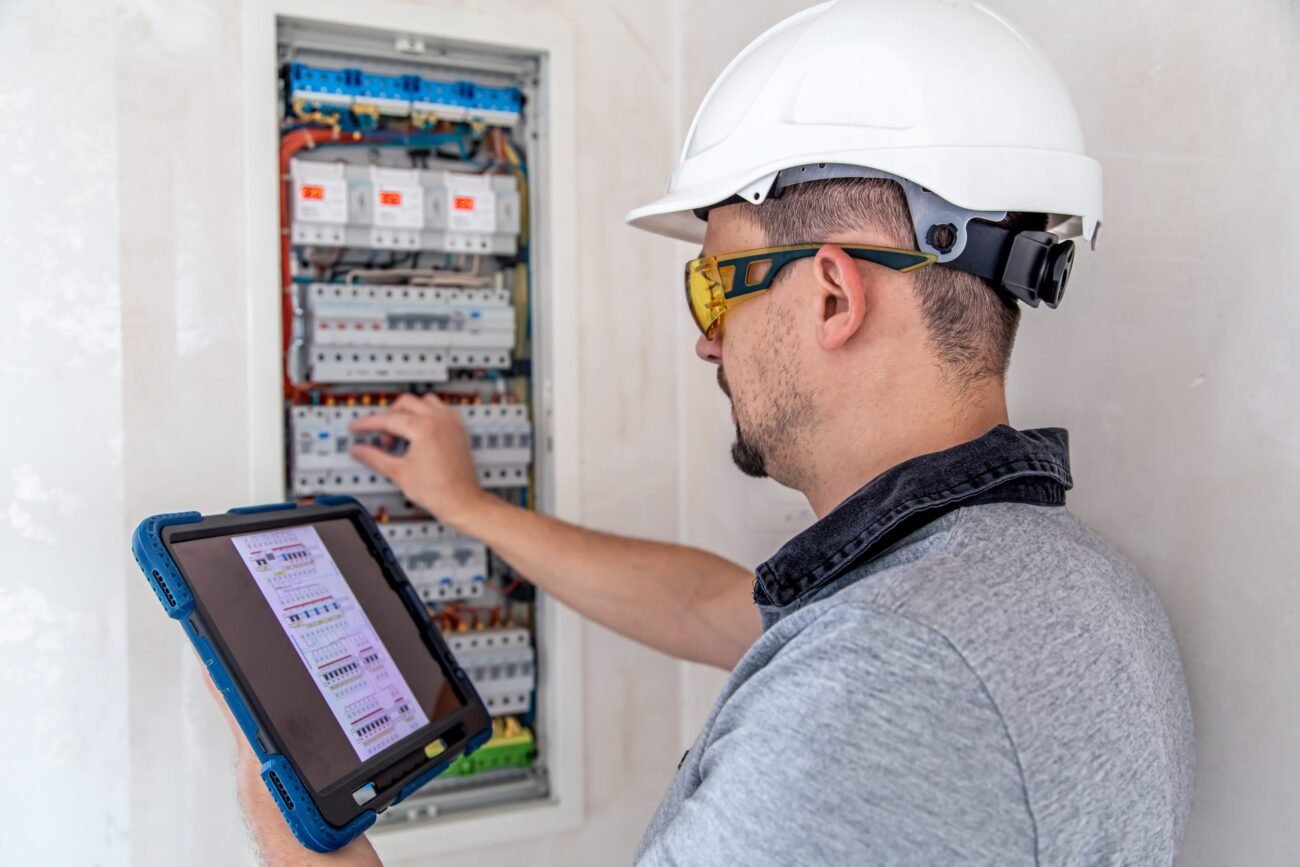
Electrical systems work quietly behind walls, panels, outlets, switches, and appliances, but they need regular attention to remain safe and efficient. Small problems such as loose wiring, overloaded circuits, outdated panels, worn outlets, or heat damage may not be obvious during daily use. An inspection can reveal these concerns before they create shocks, outages, fire risks, or wasted energy. Regular electrical inspections help homeowners understand the condition of their system, plan repairs, and avoid sudden problems. They also support safer daily living by making sure power flows where it should, without unnecessary strain or hidden danger.
What Inspections Help Prevent
- Finding Hidden Safety Risks Early
One of the most important reasons to schedule regular electrical inspections is early detection of hidden safety risks. A home may seem normal because the lights turn on and the appliances work, yet problems can still exist behind the outlets, inside the panel, or in the older wiring. Loose connections can create heat. Damaged insulation can expose wires. Overloaded circuits can place excessive demand on wiring not designed for modern electrical use. An inspection gives a trained electrician a chance to check these areas before they cause serious trouble. Homeowners in Portland may also have older homes where wiring, panels, and outlets need closer review after years of use and upgrades. Early detection helps prevent small issues from becoming larger hazards. It can also give homeowners a clearer picture of which repairs should be handled soon and which improvements can be planned over time.
- Improving Energy Use and System Performance
Electrical inspections are not only about safety; they can also improve how efficiently a home uses power. When circuits are overloaded, outlets are worn, panels are outdated, or connections are loose, the system may work harder than it should. This can generate heat, reduce performance, and waste energy. An inspection can identify areas where power delivery is uneven or where old components are no longer supporting the home’s needs. Modern households often depend on computers, kitchen appliances, chargers, heating and cooling equipment, lighting, laundry machines, and entertainment systems. If the electrical system has not been reviewed in years, it may not be keeping up well. By correcting weak points, homeowners can reduce unnecessary strain and help devices run more reliably. Efficient electrical operation also supports comfort because lights, appliances, and important systems are less likely to flicker, trip breakers, or lose power during normal daily use.
- Protecting Appliances and Electronics
Regular electrical inspections can help protect the appliances and electronics that homeowners rely on every day. Power problems do not always damage equipment immediately. Sometimes small issues build slowly, such as voltage fluctuations, loose outlets, grounding problems, or repeated breaker trips. These conditions can shorten the life of refrigerators, washers, dryers, computers, televisions, HVAC equipment, and kitchen appliances. During an inspection, an electrician can check whether outlets are secure, circuits are balanced, grounding is present, and the panel is properly handling the home’s electrical demand. This is important because replacing damaged appliances can be costly, and the problem may stem from the wiring rather than the appliance itself. Inspections can also reveal whether certain areas of the home need additional circuits or outlet upgrades to reduce reliance on extension cords and power strips. When the electrical system supports equipment correctly, the home becomes safer and more reliable.
- Planning Repairs Before Emergencies Happen
Another benefit of regular electrical inspections is better repair planning. Electrical problems often become stressful when they appear suddenly, such as a breaker that will not reset, outlets that stop working, or lights that flicker during heavy appliance use. An inspection helps homeowners address issues before they interrupt daily routines. It can also be useful before remodeling, adding new appliances, finishing a basement, upgrading lighting, or buying an older home. A clear inspection report can show whether the panel has enough capacity, whether wiring is aging, and whether outlets or circuits need updates. This kind of information helps homeowners budget and make decisions without rushing. Planned repairs are usually easier to manage than emergency calls because there is more time to compare options and schedule work safely. Regular inspections also create a record of system condition, which can be helpful for future maintenance, property value, and peace of mind.
Safer Homes Need Regular Checks
Regular electrical inspections are important because they protect both safety and efficiency. They help identify hidden risks, reduce system strain, protect appliances, and simplify repair planning. A home’s electrical system supports nearly every daily activity, from lighting and cooking to heating, cooling, charging, and security. When that system is ignored, small issues can turn into costly and dangerous problems. Inspections give homeowners a practical way to understand what is happening behind the walls and inside the panel. With steady attention, the home can stay safer, perform better, and support modern electrical needs more reliably.
