Introduction
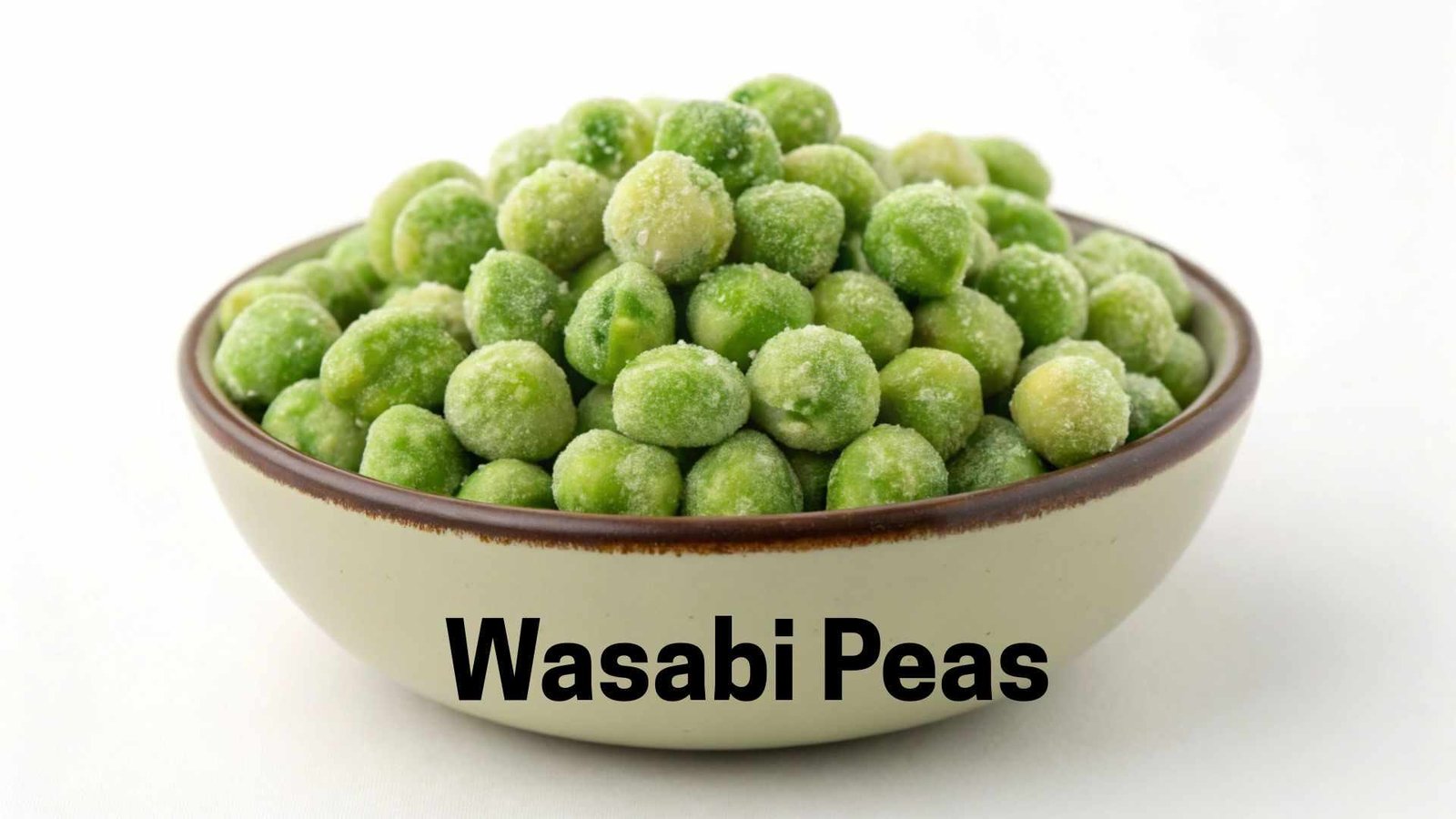
Wasabi peas are a crunchy and spicy snack that has become popular around the world. These small green snacks are made from roasted green peas coated with a flavorful wasabi seasoning that gives them their distinctive heat and taste. Many people enjoy them as a healthier alternative to traditional snack foods such as potato chips or fried snacks.
People often search for wasabi peas nutrition facts because they want to understand whether this snack is healthy and how it fits into a balanced diet. With the growing interest in plant-based snacks and protein-rich foods, wasabi peas have gained attention for their nutritional value. They provide a combination of carbohydrates, plant protein, fiber, and several vitamins and minerals.
A typical serving of wasabi peas contains around120 calories along with a moderate amount of protein and carbohydrates. While they can offer certain health benefits, such as providing energy and supporting digestion, they can also contain added salt and oil depending on the brand. Understanding the full nutritional breakdown of wasabi peas can help you decide how to include them in your diet in a healthy way.
In this guide, we will explore everything you need to know about wasabi peas nutrition facts including calories, nutrients, health benefits, possible downsides, and tips for eating them in moderation.
What Are Wasabi Peas?
Wasabi peas are roasted or fried green peas that are coated with a crunchy layer of starch and seasoned with wasabi flavor. The snack is known for its bold, spicy taste that comes from wasabi, a plant traditionally used in Japanese cuisine. When combined with the crunchy texture of roasted peas, it creates a unique snack that many people find addictive.
The snack originally gained popularity in Japan, where wasabi is commonly used as a condiment with sushi and other dishes. Over time, the idea of coating roasted peas with wasabi seasoning spread internationally. Today, wasabi peas are widely available in grocery stores, health food shops, and online markets.
One reason wasabi peas are popular is that they are often considered a better alternative to heavily processed snacks. Since they are made from peas, they naturally contain plant-based protein and some fiber. This makes them slightly more nutritious than snacks made mainly from refined carbohydrates or oils.
Another factor behind their popularity is their intense flavor. The spicy kick of wasabi gives them a strong taste without requiring large amounts of sugar or artificial flavoring. Many people enjoy them as a snack during work, while watching movies, or as part of a party snack mix.
Main Ingredients in Wasabi Peas
Although recipes may vary by brand, most wasabi peas contain a few basic ingredients. The core ingredient is green peas which provide the base for the snack and contribute nutrients such as protein and fiber.
The coating usually includes rice flour or starch which creates the crunchy texture when the peas are roasted or fried. Wasabi powder is then added to provide the spicy flavor. In addition, manufacturers often include salt and other seasonings to enhance the taste. Some brands may also add oil or sugar during processing, which can slightly change the nutritional profile of the snack.
Wasabi Peas Nutrition Facts
Understanding wasabi peas nutrition facts can help you determine whether this snack fits into your daily diet. Like many packaged foods, the exact nutritional values may vary depending on the brand and preparation method. However, most products provide similar general nutrition levels.
A standard serving size of wasabi peas is about 28 grams (1 ounce). In this portion, you will usually find around 120 calories making them a moderately calorie-dense snack. The calories mainly come from carbohydrates and small amounts of fat added during roasting or frying.
Calories in Wasabi Peas
A single serving of wasabi peas typically contains about 120 calories per 28-gram serving. This calorie count is comparable to other snack foods, although the nutritional composition can be slightly better due to the presence of protein and fiber from peas.
Macronutrients in Wasabi Peas
The macronutrient content of wasabi peas usually looks like this:
| Nutrient | Amount (Per 28g) |
| Calories | ~120 |
| Carbohydrates | ~17 g |
| Protein | ~4 g |
| Fat | ~4 g |
| Fiber | ~1 g |
These nutrients may vary depending on the brand and whether the peas are roasted or fried. Some versions contain more fat due to additional oil used during processing.
Complete Nutritional Breakdown of Wasabi Peas
Looking beyond basic calories and macronutrients, the complete nutritional breakdown of wasabi peas reveals how this snack contributes to daily nutrient intake. While it is not considered a superfood, it does offer several nutrients that can support overall health when eaten in moderation.
Carbohydrates
Carbohydrates make up the largest portion of the calories in wasabi peas. The peas themselves naturally contain carbohydrates, and the crunchy coating also contributes additional carbs. These carbohydrates provide a quick source of energy for the body, which is why snacks like this can be satisfying during busy days.
Protein Content
Wasabi peas contain around 4 grams of protein per serving which comes mainly from the peas themselves. Plant-based protein helps support muscle repair, tissue growth, and general body functions. Although the protein content is not extremely high, it is still more beneficial than many snacks that contain almost no protein.
Dietary Fiber
Fiber is another important component found in peas. While the coating process may reduce some of the natural fiber content, wasabi peas still provide a small amount that can help support digestive health. Fiber plays a role in maintaining regular digestion and may help keep you feeling full longer.
Fat Content
The fat content of wasabi peas depends largely on how they are prepared. Roasted varieties usually contain moderate fat levels, while fried versions may contain slightly more. In most cases, the fat level remains relatively moderate compared to heavily fried snack foods.
Vitamins and Minerals in Wasabi Peas
In addition to macronutrients, wasabi peas nutrition facts also include several vitamins and minerals that contribute to overall health. These micronutrients come mainly from the peas themselves, as green peas naturally contain a range of beneficial compounds.
Key Vitamins
Wasabi peas may contain small amounts of several important vitamins. These include Vitamin K, which helps support bone health and blood clotting. They may also provide Vitamin B6, folate, niacin, and thiamin. These B vitamins are involved in energy metabolism and help the body convert food into usable energy.
Important Minerals
Several minerals are also present in wasabi peas. One of the most notable is manganese, which plays a role in metabolism and acts as an antioxidant in the body. Other minerals that may be present include copper, zinc, iron, and potassium. Each of these contributes to essential functions such as immune support, oxygen transport, and muscle function.
Why These Nutrients Matter
Vitamins and minerals are necessary for many biological processes. They support energy production, bone strength, brain function, and immune system activity. Even though wasabi peas do not provide extremely large amounts of these nutrients, they can still contribute to daily intake when included as part of a balanced diet.
Calories in Wasabi Peas
Calories in wasabi peas can vary depending on portion size. Understanding these values can help you control how much you eat and manage your overall calorie intake.
A 28-gram serving, which is about one ounce, usually contains around 120 calories. This is the standard portion listed on most nutrition labels. Many snack packs are designed around this serving size to make calorie tracking easier.
If you eat a slightly larger portion, such as 30 grams, the calorie count may increase slightly to about 100–110 calories, depending on the product. The variation often depends on the exact ingredients used and how much oil or coating is included.
For larger quantities, the calorie count becomes more significant. A 100-gram portion of wasabi peas may contain around 400–430 calories. This illustrates why portion control is important when eating snack foods. While the snack itself can be enjoyed in moderation, consuming large quantities can quickly increase calorie intake.
Keeping serving sizes reasonable allows you to enjoy the flavor and crunch of wasabi peas without exceeding your daily calorie needs.
Health Benefits of Wasabi Peas
Although wasabi peas are a processed snack, they can still provide some health benefits due to their nutrient content. When eaten in reasonable amounts, they may support certain aspects of nutrition and overall wellness.
Good Source of Plant Protein
The peas used in this snack provide plant-based protein, which is beneficial for individuals following vegetarian or plant-focused diets. Protein plays a role in muscle repair, hormone production, and maintaining healthy tissues.
Provides Antioxidants
One of the minerals found in peas is manganese, which acts as an antioxidant. Antioxidants help protect cells from oxidative stress caused by free radicals. This protective effect can contribute to overall health.
Supports Energy Metabolism
The B vitamins present in peas help the body convert carbohydrates, fats, and proteins into energy. This means that eating snacks containing these nutrients may support normal metabolic processes.
May Improve Digestion
The small amount of fiber in wasabi peas can support digestive health. Fiber helps maintain regular bowel movements and contributes to a healthy gut environment.
Potential Downsides of Wasabi Peas
Despite their nutritional benefits, wasabi peas also have some potential drawbacks. Understanding these factors can help you make informed decisions about how often to eat them.
High in Carbohydrates
Wasabi peas are relatively high in carbohydrates because both peas and the crunchy coating contain starch. This may not be ideal for people following low-carb or ketogenic diets.
Sodium Content
Many commercial versions contain a significant amount of salt. High sodium intake may contribute to increased blood pressure in some individuals.
Added Sugar and Oil
Some brands add sugar or oil during processing to improve flavor and texture. This can increase the calorie content and reduce the overall health benefits.
Spicy Flavor Sensitivity
The strong wasabi flavor can be irritating for people with sensitive stomachs or digestive issues. Eating large amounts may cause discomfort for some individuals.
Are Wasabi Peas Healthy?
Whether wasabi peas are healthy depends largely on how often and how much you eat. Compared to highly processed snacks like chips or candy, they may offer slightly better nutritional value because they contain plant protein and some micronutrients.
However, they are still considered a processed snack food. The coating and seasoning often add extra sodium and calories that reduce their overall nutritional value. This means they should not replace whole foods such as fresh vegetables, fruits, or legumes in your diet.
When eaten in moderation, wasabi peas can be a flavorful and satisfying snack. Their crunchy texture and spicy taste can make them enjoyable while still providing some nutritional benefits. The key is to treat them as an occasional snack rather than a primary food source.
Wasabi Peas vs Other Snack Foods
Comparing wasabi peas with other snacks helps highlight their nutritional advantages and disadvantages.
| Snack | Calories | Protein | Fiber |
| Wasabi Peas | ~120 | 4g | 1g |
| Potato Chips | ~150 | 2g | 1g |
| Roasted Chickpeas | ~120 | 6g | 5g |
Compared with potato chips, wasabi peas usually contain more protein and slightly fewer calories. However, roasted chickpeas often provide even more protein and fiber, making them one of the healthiest crunchy snack options.
Overall, wasabi peas fall somewhere in the middle. They can be a better alternative to fried chips, but they may not be as nutritious as whole roasted legumes.
How Many Wasabi Peas Should You Eat Per Day?
Portion control plays an important role in maintaining a balanced diet. For most people, a serving of about 28 grams (one ounce) is a reasonable amount for a snack.
Eating one serving provides the flavor and crunch of the snack without adding excessive calories or sodium to your daily intake. Consuming multiple servings in one sitting can quickly increase calorie consumption, especially because the snack is easy to eat in large amounts.
If you enjoy wasabi peas frequently, try pairing them with healthier foods such as fresh vegetables or nuts. This can help balance your snack with additional nutrients and fiber.
How Wasabi Peas Are Made
The process of making wasabi peas involves several steps that transform ordinary green peas into a crunchy snack. First, green peas are dried to remove moisture and prepare them for processing.
Next, the peas are coated with a layer of starch or rice flour. This coating is responsible for the crunchy texture that develops during cooking.
After coating, the peas are typically fried or roasted until they become crisp. Finally, wasabi seasoning is added to give the snack its distinctive spicy flavor.
Tips for Choosing Healthy Wasabi Peas
When shopping for wasabi peas, reading the ingredient list and nutrition label can help you choose healthier options. Some brands offer products with lower sodium or fewer added ingredients.
Look for varieties that are roasted rather than fried, as roasting usually results in less added fat. Choosing products with minimal added sugar can also improve the nutritional profile.
Another helpful strategy is to select brands that use simple ingredient lists, focusing mainly on peas, seasoning, and minimal additives.
How to Add Wasabi Peas to Your Diet
Wasabi peas can be enjoyed in many different ways beyond simply eating them as a snack. Their crunchy texture and spicy flavor make them a versatile ingredient in various dishes.
They can be used as a topping for salads, adding both crunch and spice. Some people also mix them into trail mix with nuts and dried fruit for a balanced snack.
Another creative option is to use them as a garnish for noodle dishes or rice bowls. Their bold flavor can add an interesting contrast to milder foods.
FAQ’s
1. Are wasabi peas healthy for weight loss?
Wasabi peas can be included in a weight-loss diet if eaten in moderation. Their protein content may help increase satiety, but portion control is important because they are still calorie-dense.
2. Are wasabi peas keto friendly?
Most wasabi peas are not considered keto-friendly because they contain a relatively high amount of carbohydrates from peas and the crunchy coating.
3. Are wasabi peas gluten free?
Some brands may be gluten free, but others use wheat-based coatings. Always check the ingredient label to confirm whether a product contains gluten.
4. Are wasabi peas spicy?
Yes, wasabi peas have a strong spicy flavor due to the wasabi seasoning. However, the intensity can vary depending on the brand.
5. Can you eat wasabi peas every day?
While it is possible to eat them regularly, it is best to enjoy them in moderation because of their sodium content and processed coating.
Final Thoughts on Wasabi Peas Nutrition Facts
Understanding wasabi peas nutrition facts helps you make smarter decisions about including this snack in your diet. They provide moderate calories, some plant-based protein, and a small amount of fiber along with several vitamins and minerals.
However, like many processed snacks, they can also contain added salt, oil, and carbohydrates. This means they should be eaten in moderation rather than as a primary food source.
When enjoyed in reasonable portions, wasabi peas can be a flavorful snack that adds variety to your diet. Pairing them with healthier foods and choosing brands with simple ingredients can make them an even better option for occasional snacking.
Looking for more Article? Check out my website for the latest content.
